Mrs. Dalloway is one of Virginia Woolf's most well-known books, published in 1925, a triumph of experimentation, a cornerstone of modernism, and a subtle examination of love, freedom, mental illness, and the condition of women in London society in the 1920s. But then, what is the novel about? And who was Virginia Woolf? [Writers/Artists]
Summary:
The plot in Mrs. Dalloway is formed in two independent narratives, which unfold in just a single day in London (June 13, 1923): the first narrative tells the story of a middle-aged woman, Clarissa Dalloway, married to a member of parliament, Richard Dalloway - as well as the activities of her family and acquaintances while she prepares a grand party to take place at the end of that single day in London.
The other plot recounts all the events leading to the suicide of Septimus Warren Smith, a World War I veteran.
These two events intertwine at the end of the novel when the specialist doctor who was treating the mentioned character appears at the party and recounts what happened.
Although the reported events take place over just one day, there are numerous flashbacks about the lives of the different characters in the past.
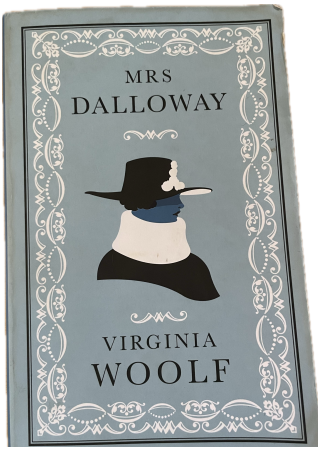
The story begins with Clarissa Dalloway buying flowers and wandering around the city in the morning, during which she observes everything around her. Along the way, she encounters people from her past and enters a state of introspection, feeling lonely. ("In the eyes of the people, in the swaying, the marching, and the dragging; in the shouting and the clamor; in the carriages, cars, buses, vans, sandwich men dragging and swaying; brass bands; barrel organs; in the triumph and the clinking and the strange sharp song of some plane overhead, that was what she loved; life; London; this moment of June.")
When she finally arrives home, she receives a visit from her old flame (Peter Walsh), and his presence stirs up confusing feelings about past choices and what they could have been. The relationship between them is marked by mutual understanding and an intimacy that surpasses the social norms of the time. ("But with Peter, everything had to be shared, everything was happening. And it was intolerable, and when she reached the scene in the small garden near the fountain, she had to end it with him or they would both have been destroyed, both ruined, she was convinced; although she had endured for years like an arrow embedded in her heart the pain, the anguish - and the horror at the moment when someone told her at a concert that he had married a woman he met on the boat to India.")
Simultaneously, the story of Septimus Warren Smith unfolds. At home with his wife, Rezia, he is tormented by voices and memories of the war and, suffering from post-traumatic stress disorder, ends up committing suicide. It is a complex character, who struggles against her hallucinations and against the alienation of society. His story reflects the condition of many soldiers after the war and brings a critique of mental health treatment.
Main Topics Covered:
- Time: The perception of the passage of time is addressed, showing how the characters reflect on their past lives and their consequent decisions;
- Identity and Memory: The constant search for identity is the central focus of the work, how memories shape identities.
- Social Class and Gender: Virginia Woolf explores the limitations imposed on women of the time, as well as the class dynamics among the characters.
- Mental Health: The portrayal of Septimus and his struggle with mental health highlights issues of trauma and alienation, themes that Virginia, who also faced mental health problems, addressed sensitively.
Writting Style:
- Stream of Consciousness: Woolf uses this technique to delve into the intimate thoughts and feelings of her characters, allowing for a deep exploration of their psychology.
- Non-Linear Narrative: The structure of the novel does not follow a traditional timeline, moving between the present and the past, and between the thoughts of different characters.
What's up? Dear readers, did you enjoy the book review? Did I spark any curiosity about the book? If so, comment and leave a positive review on the site. Don't forget to also look at the section [Writers/Artists] to discover who this talented artist is that wrote this great literary work.
Until the next review. ☺ ☺ ☺
Add comment
Comments